Mindset & Psychology
Stop trying to play perfect poker
Stop chasing perfect poker. Learn why exploitative poker strategy often wins more by targeting the mistakes your opponents actually make.
Blog
Stop chasing perfect poker. Learn why exploitative poker strategy often wins more by targeting the mistakes your opponents actually make.
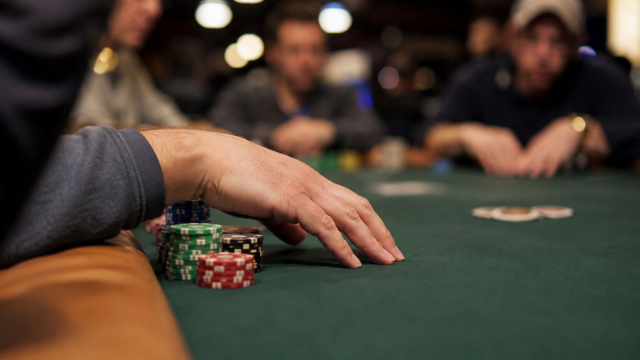
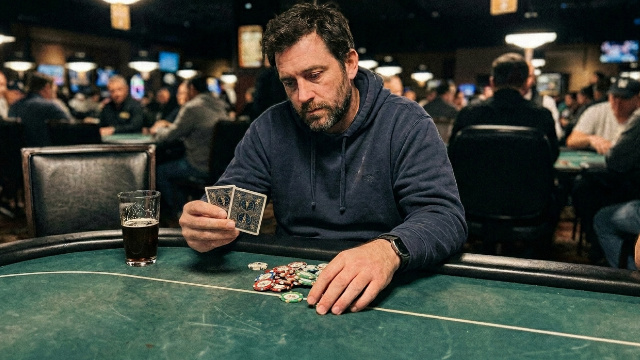
A look at poker table gestures, from the table tap that means check to chip movements, and how this silent language keeps live poker moving.
Winning a big pot changes how you play right after a win, and not for the better. Here's why winner's tilt is harder to spot than angry tilt.
A beer or two changes more than your mood on a poker night at home. Here's what happens to your decisions, and where the fun quietly becomes a leak.
Think you bluff at the right frequency? Most intermediate players are over-bluffing in the wrong spots. Here is why it happens and how to fix it.
The signs are usually obvious when the cards feel wrong. Why poker players ignore them anyway, and what staying in the game costs them at the table.
Serious players who go back to low stakes on purpose know something most don't. Here's what that table can teach you, and where it can quietly wreck you.
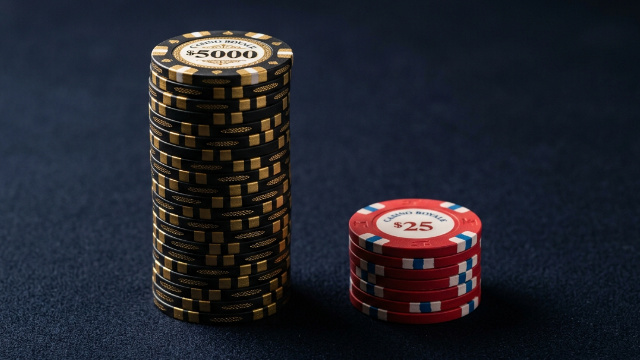
Poker chips shape how you think, bet and feel at the table. Explore the psychology of color, weight, sound and design behind poker's most overlooked object.
Poker is a sport: study, hand review, mindset and endurance separate the athletes from the amateurs. The preparation gap is growing. Have you kept up?
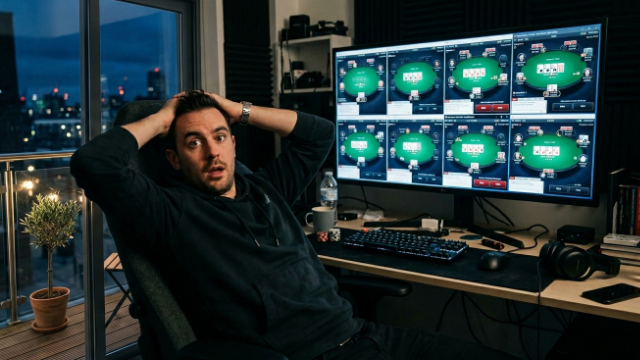
Online poker deals 3x more hands per hour than live. That's great if your game is solid, but the same volume multiplies every leak and mistake.
You've been joking with him all night. Now you have the nuts and he's all in. The strange moment when poker and table rapport want opposite things.
Bad players are not easier to beat in the short run: random lines, accidental monsters and bluffs that mean nothing. Here is why, and how to adjust.