Mindset & Psychology
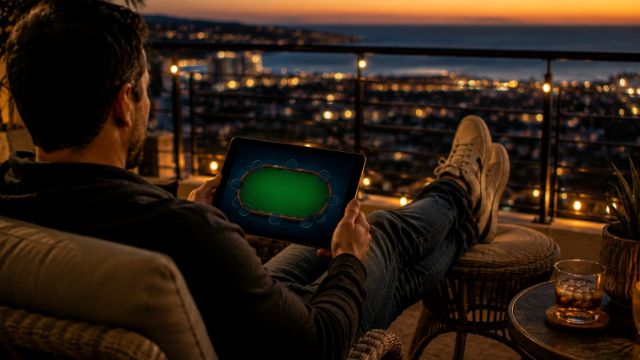
Playing poker to relax changes everything about how you play
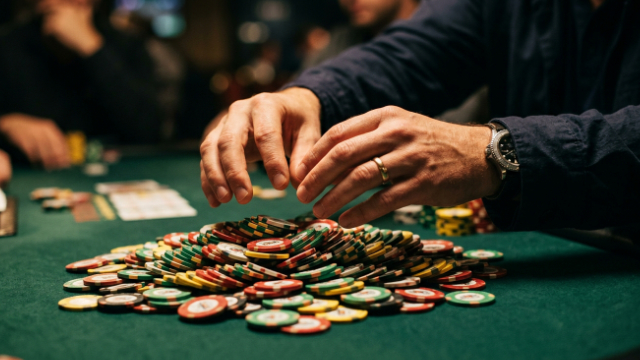
Playing poker for fun and playing for a living are two different games. Why you can't do both at once, and why your loose calls are perfectly fine.
Blog
Playing poker for fun and playing for a living are two different games. Why you can't do both at once, and why your loose calls are perfectly fine.
Winning a big pot changes how you play right after a win, and not for the better. Here's why winner's tilt is harder to spot than angry tilt.
The signs are usually obvious when the cards feel wrong. Why poker players ignore them anyway, and what staying in the game costs them at the table.
Poker demands sharp decisions after long stretches of waiting. Here's what cognitive science says about sustained attention and why that's so hard.
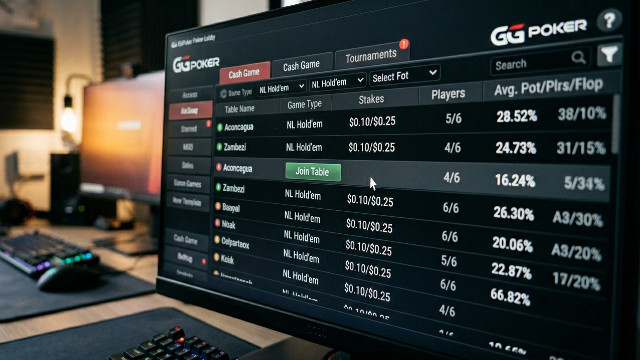
Table selection used to be free money. In today's online poker, it might just be a time sink. Here's why the math no longer works the way it used to.
Poker is a sport: study, hand review, mindset and endurance separate the athletes from the amateurs. The preparation gap is growing. Have you kept up?
The chips you've already put in the pot don't belong to you anymore. The sunk cost fallacy explains why folding feels so hard, and what it costs you.
What's the ideal poker session length? Fatigue is just the start. Here's what sets your real ceiling and how to plan your sessions around it.
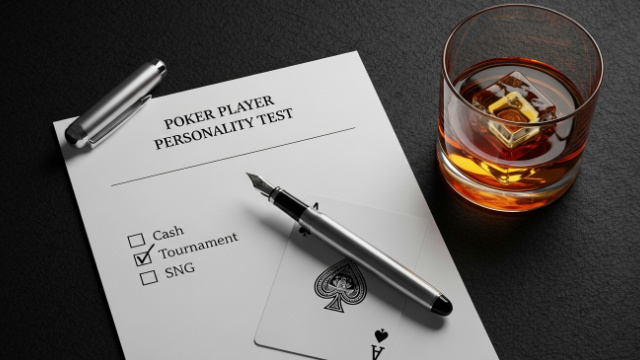
Find your ideal poker format by matching Sit & Go, tournament, or cash games to your risk tolerance, goals, and playing style. See your fit.
Discover the aviation mental tricks that help elite poker players avoid poker tilt, stay sharp, and make rational, pressure-tested decisions under fire.
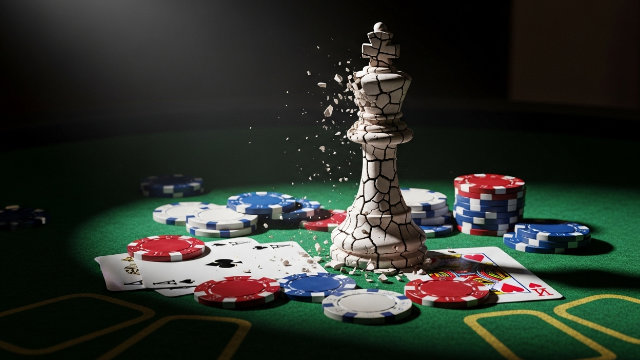
Are you a chess player struggling at the poker felt? See why chess and poker mindsets clash, the 3 fatal flaws crushing your win rate, and the fix.
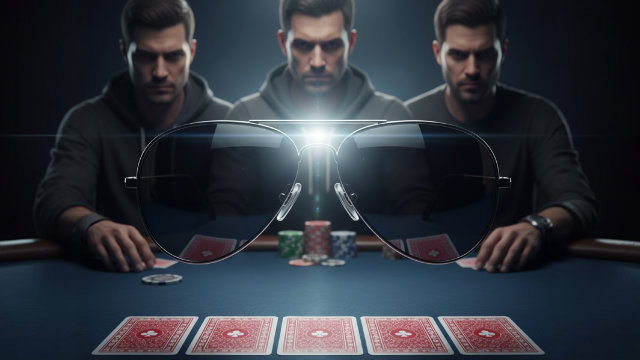
Should you wear sunglasses at the poker table? We break down the tells they hide, the information you lose, and what poker etiquette really says.