Mindset & Psychology
Why You Can’t Fold: The Sunk Cost Fallacy at the Poker Table
The chips you've already put in the pot don't belong to you anymore. The sunk cost fallacy explains why folding feels so hard, and what it costs you.
Blog
The chips you've already put in the pot don't belong to you anymore. The sunk cost fallacy explains why folding feels so hard, and what it costs you.
Stop playing like a movie star and start playing like a pro. We break down the James Bond Fallacy and the cinematic myths draining your win rate.
Your home setup, from chair to lighting and noise, affects how well you think at the poker table. Here's what the research says and what to fix first.
Cultural dimensions shape how poker players handle risk, bluffing and aggression. See how background changes style at the table and what you can learn.
Why do the best poker players never think they're good? Explore the psychology of the elite, the Dunning-Kruger Effect, and why staying humble wins.
Find your ideal poker format by matching Sit & Go, tournament, or cash games to your risk tolerance, goals, and playing style. See your fit.
Table inertia in MTTs makes you keep playing the old table. Use a fast mental reset protocol to adapt instantly and protect your tournament EV.
Is it time to take a shot at a major poker tournament? Learn the bankroll management rules and mental readiness that separate moving up from a costly gamble.
Poker lessons from the hands you can't recall: why calling just to see costs more than chips, and how to stop paying for certainty next time.
Poker has survived centuries of new rules and tech, but will it last 100 years more? See how AI, GTO tools and culture could reshape the game.
Discover the aviation mental tricks that help elite poker players avoid poker tilt, stay sharp, and make rational, pressure-tested decisions under fire.
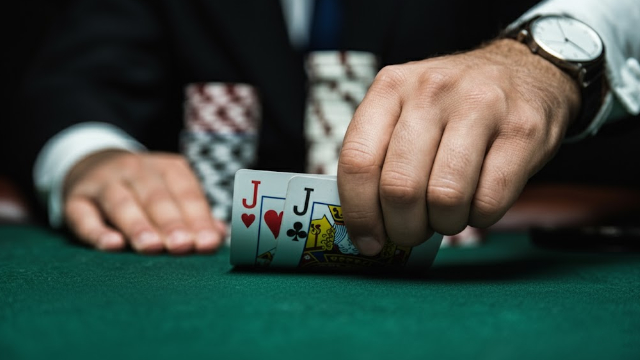
A live tournament lesson in poker psychology: how timing, position and table image made pocket jacks fold to 3-8 off, street by street.