
The December migration: how holiday poker tables change, and how to play them
Every December the online poker tables fill up and change shape. Who arrives with the holidays, what shifts at the table, and how to play it from both sides.

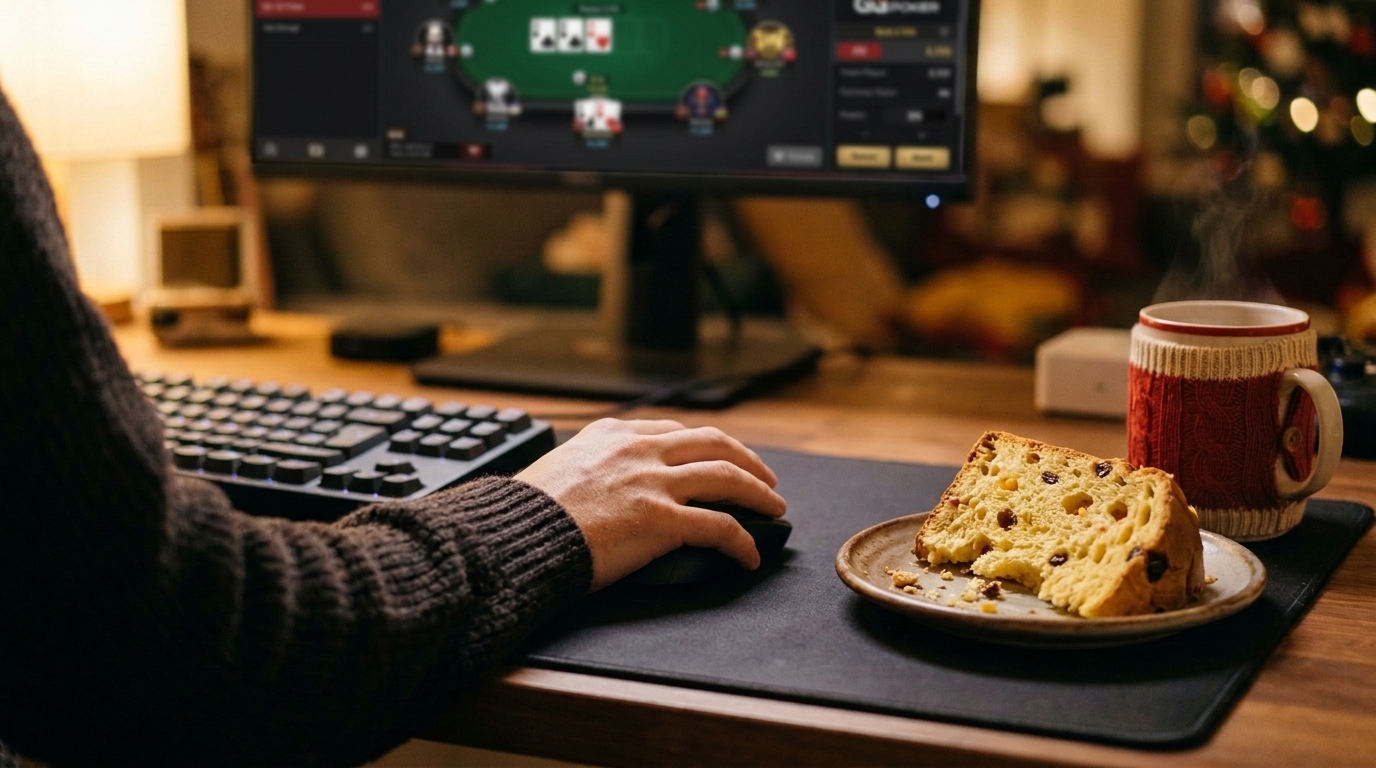
Birdwatchers know the calendar by heart: certain species show up in certain months, and the whole landscape changes because of it.
Poker regulars have their own version of this: around mid-December the lobby fills up, the tables get louder, and players who haven’t clicked “Sit” since last winter suddenly reappear.
It isn’t a feeling. According to the traffic screener at PokerListings, GGPoker’s cash-game traffic more than doubled in December 2025 compared to October same year.
So yes, the December poker tables are different. The interesting question is how they’re different, and what that means. The answer depends on which side of the migration you’re on.




Why the tables fill up in December
The reasons are simple, and they all stack on top of each other:
- Free time. Offices close, schools break, and the days between Christmas and New Year turn into a long, slow weekend.
- Promotions. Every poker room runs its biggest seasonal events in December, and they’re designed to bring people back.
- Gift money and good mood. A little extra cash, a relaxed evening, and the thought: why not play a few hands?
- Social contagion. Someone plays poker at the family table, enjoys it, and opens the app the next day to “practise”.
That last one is quite important, A good part of the December crowd is not made by your average poker players but by people who arrive because poker is part of the holiday.
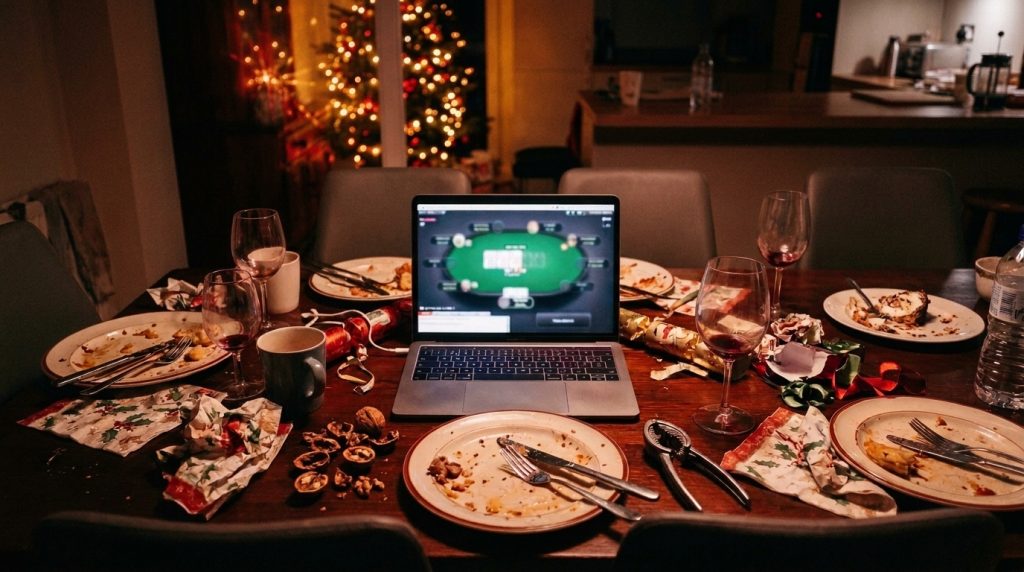
Who arrives with the season
Every migration has its species. Here are the ones you’ll recognise.
The returners
They played a lot years ago, sometimes quite well. They remember the game the way it used to be: opening limps, calling stations, three-bets that meant aces. They’re confident, a bit rusty, and convinced the game hasn’t changed. It has.
The first-timers
New account, new app, maybe a welcome bonus. They’re still learning where the buttons are, and they sometimes take a while to act because they’re reading the screen, they never think about traps. They’re curious and cautious, until they’re not.
The afternoon drifters
December 26th, 4 p.m. Lunch is over, the TV is on, and someone is playing on their phone from the sofa with half their attention. They call because folding is boring. They don’t notice your bet sizing, because they’re also watching the movie.
The celebrators
Late evening, after dinner, after a glass, or three. They’re there for the fun of the game, not the math of it. Every hand is a good hand, every river is a chance, and every pot is worth seeing.
None of these players is “bad” in any moral sense. They’re playing poker for exactly the reason poker exists: entertainment. They just don’t play it the way regulars do.
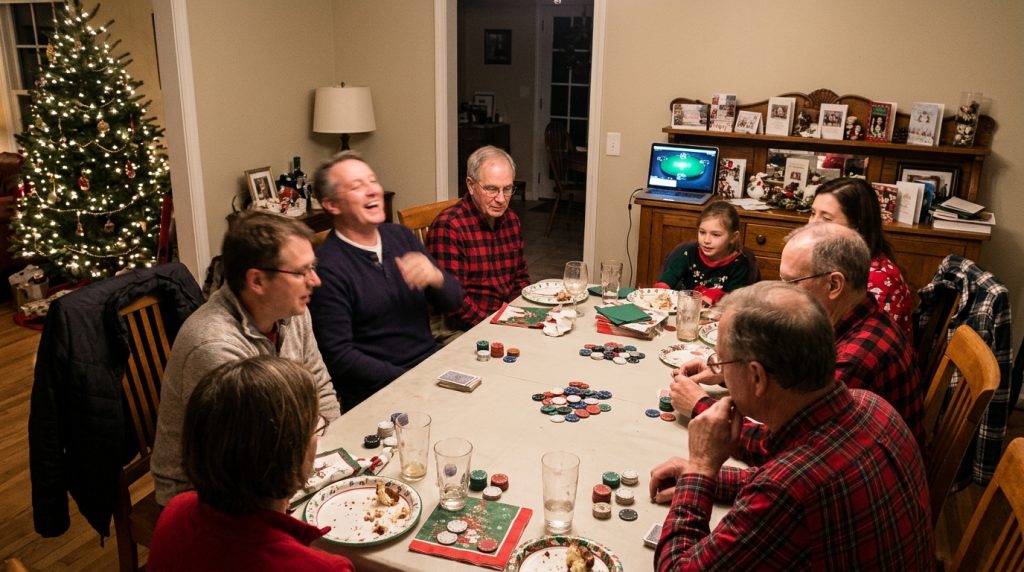
What actually changes at the table
When the player pool shifts, the game shifts with it. Here’s what you’ll notice:
- More limps and multiway pots. Fewer players open with a raise, more players come along to see the flop.
- Wider calling ranges. Second pair looks like a strong hand. Any draw looks like a good reason to stay.
- Fewer folds to bets. Recreational players are curious by nature, and curiosity calls.
- Bigger tournament fields. More entrants mean longer runs to the money, deeper fields of unpredictable opponents, and much bigger swings.
- Different peak hours. Afternoons and late evenings get busier than usual, following the rhythm of family gatherings rather than work.
The overall result is a game that is softer but wilder. There’s more money to be made by playing well, but also more variance on the way there.
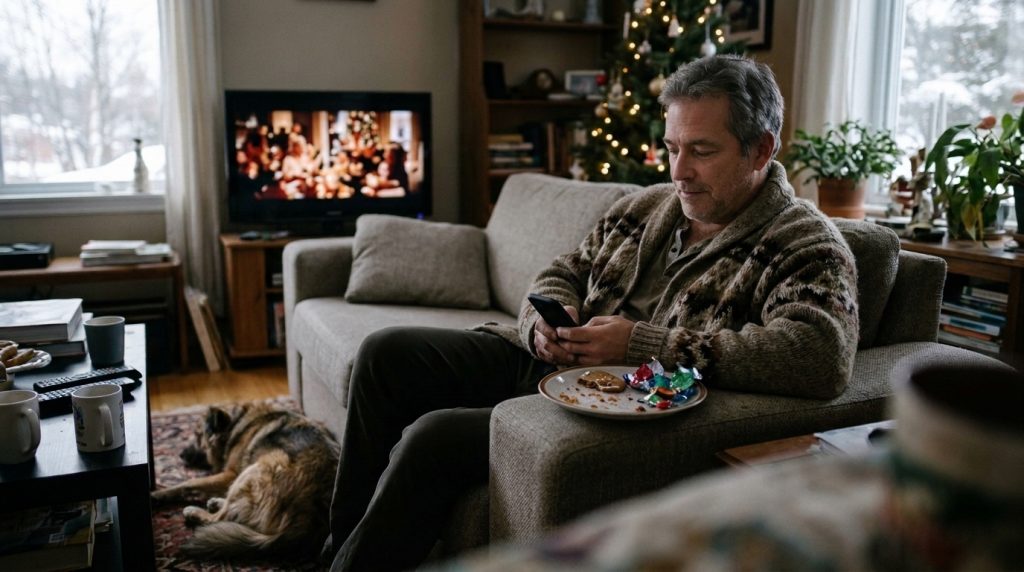
If you’re a regular: adjust, don’t sneer
The December crowd is good for your win rate, but only if you adapt to it. Playing your usual game against unusual opponents is the most common December mistake.
Value bet more, and bigger
Players who don’t fold are a gift, but only if you charge them. Thin value bets become profitable: top pair with a modest kicker is worth a bet on the river, and sometimes a bigger one than you’d normally choose. Ask yourself whether a worse hand will call, not whether a better hand will fold.
Bluff less, and simpler
You can’t bluff someone who isn’t listening. The elaborate three-barrel story that works against a thinking regular means nothing to the afternoon drifter, who will call the river “just to see”. Save your bluffs for the regulars, and keep your lines straightforward against everyone else.
Respect the variance
Softer fields don’t mean steadier results. Multiway pots and loose calls make your swings larger, not smaller, and bigger tournament fields stretch them even further. If you need a refresher, our guide on what variance is and how to manage it is a good place to start. December is a great month to play more, and a bad month to panic about a downswing.
Choose your tables and your hours
Look for tables with more limps, bigger average pots, and players who don’t seem to follow a pattern. Then pay attention to the clock: the after-lunch and after-dinner windows are when the season is at its fullest.
Keep the ecosystem alive
This is the one most regulars forget. Recreational players come back to tables where they had fun, and they leave tables where they were made to feel stupid. Lecturing someone in the chat about their call doesn’t teach them anything. It just makes sure they won’t come back in January.
The soft December game is a shared resource. Treat it like one.
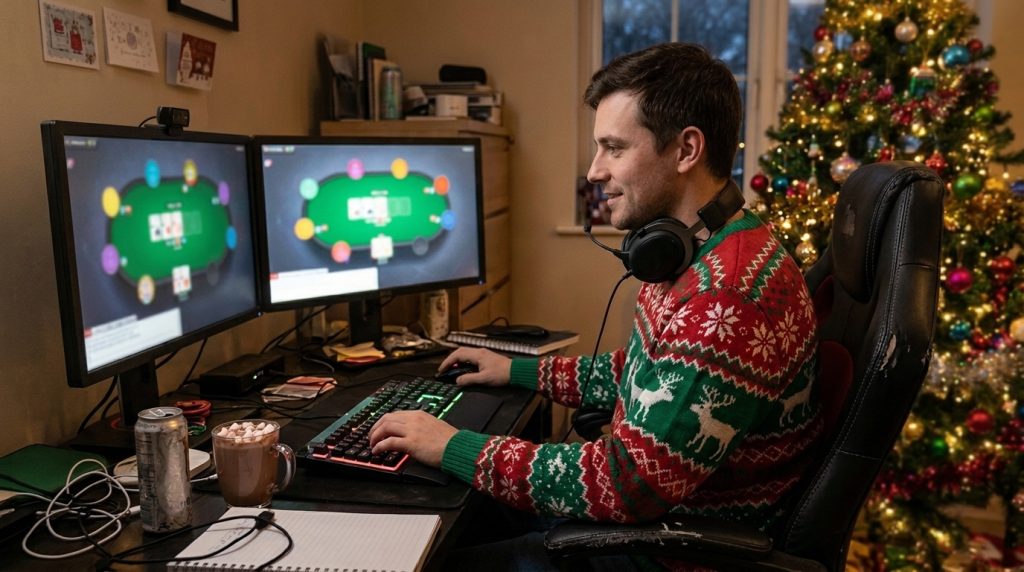
If you’re the one migrating: how not to get eaten
If you’re a seasonal player, none of this is a reason to stay away. December is a great time to play: tables are lively, promotions are generous, and there’s a bit of that holiday atmosphere even online. A few simple habits will make it a better experience.
Set your limit before you sit down
Decide how much you’re happy to spend on poker this holiday season, the same way you’d budget for a dinner out or a gift. Decide it before you play, not in the middle of a session, when the last hand is still burning.
Keep your sessions short
Holiday sessions tend to stretch: one more orbit, one more tournament, one more try to win back that last pot. Short sessions keep the game fun and your decisions sharp. Our piece on how long a poker session should actually be explains why the clock matters more than most players think.
Don’t play after the big dinner
The third glass of wine is excellent company at the family table and terrible company at an online one. If you wouldn’t drive, don’t click “All-in”.
Play below your ego
Pick stakes lower than you think you deserve. You’ll play longer, learn more, and enjoy the evening instead of worrying about every hand. Low buy-in tournaments with big fields are especially good value: hours of entertainment for the price of a coffee.
Learn the interface first
Spend a few minutes at the lowest stakes, or watching a table, before you play for real. Knowing where the buttons are, and how bet sizing works in the app, prevents the most painful kind of mistake: the one you didn’t mean to make.
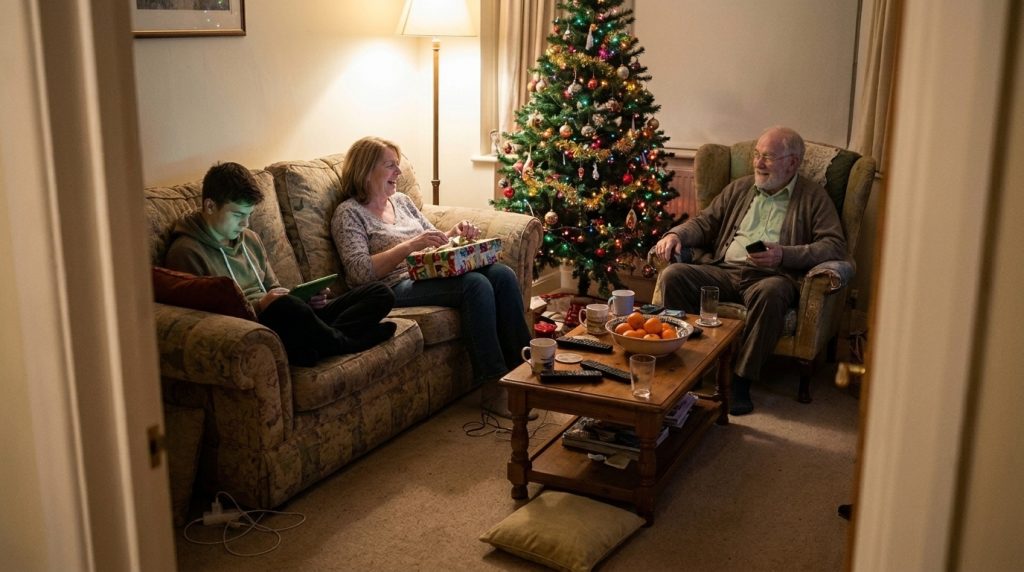
The silent killer goes home for Christmas
In our Christmas poker player types we described the Silent Killer, the one at the family table who actually plays poker online, quietly adjusting while the uncle tells stories mid-hand.
December online flips that picture. At home, the regular is the shark among relatives. Online, the “relatives” are the ones who come to visit.
Same game, same season, opposite roles. The regular’s job is to adjust without contempt. The guest’s job is to enjoy the visit without overstaying it. If both sides get it right, everybody goes home with something: a few extra big blinds for one, a good evening for the other.
That’s not a bad definition of a merry poker Christmas!