Mindset & Psychology
Stop trying to play perfect poker
Stop chasing perfect poker. Learn why exploitative poker strategy often wins more by targeting the mistakes your opponents actually make.

Author
Stop chasing perfect poker. Learn why exploitative poker strategy often wins more by targeting the mistakes your opponents actually make.
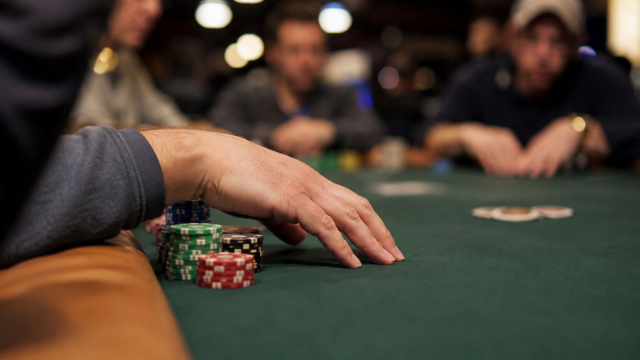
A look at poker table gestures, from the table tap that means check to chip movements, and how this silent language keeps live poker moving.
Why do playing cards have rounded corners? A quick look at the practical design choice that makes cards smoother, tougher, and better for poker.
The rabbit hunt in poker reveals the cards you'll never play. Here's how it works, why players can't resist it, and what it really costs.
Why are poker chips called chips? Discover their unusual history, early materials and evolution from simple counters to casino currency.
Playing poker for fun and playing for a living are two different games. Why you can't do both at once, and why your loose calls are perfectly fine.
Winning a big pot changes how you play right after a win, and not for the better. Here's why winner's tilt is harder to spot than angry tilt.
A beer or two changes more than your mood on a poker night at home. Here's what happens to your decisions, and where the fun quietly becomes a leak.
When you can't read your opponent, panic is your real enemy. Here's the practical protocol for playing your range smartly without a clear read.
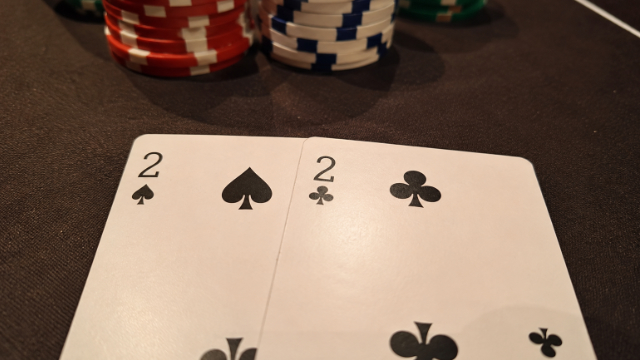
Pocket twos get mocked at every table, but there are spots where 2-2 is genuinely strong. Here's exactly when to play it and when to fold.
Think you bluff at the right frequency? Most intermediate players are over-bluffing in the wrong spots. Here is why it happens and how to fix it.
The signs are usually obvious when the cards feel wrong. Why poker players ignore them anyway, and what staying in the game costs them at the table.