Strategy
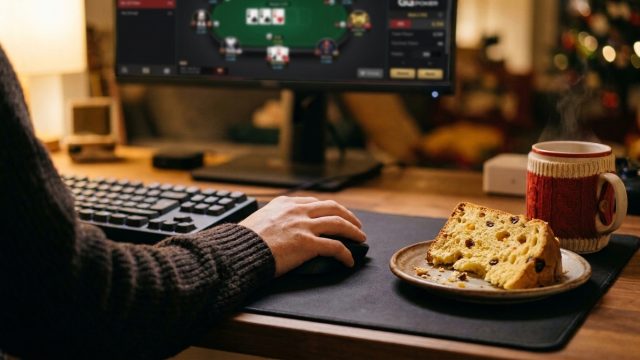
The December migration: how holiday poker tables change, and how to play them
December poker tables fill up with returners, first-timers and drifters. Learn how holiday traffic changes the game and how to adjust your play.
December poker tables fill up with returners, first-timers and drifters. Learn how holiday traffic changes the game and how to adjust your play.
Mystery bounty poker explained: how the two phases work, what a knockout is worth and how to adjust your strategy for the random bounty draw.
Can you bet after another player goes all-in? Learn when betting continues, how the side pot works, and why checking it down is not a rule.
A mysterious poker chip keeps returning, and every player who loses to it suffers a strange accident. Discover this chilling poker urban legend.
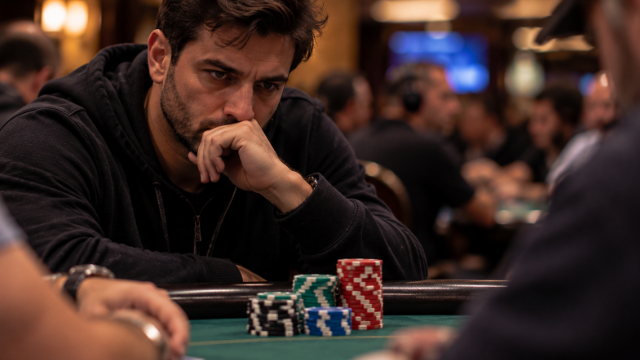
A comfortable stack can quietly become a trap. See how fear, rising blinds and ICM change medium stack poker strategy in big tournaments.
A fun look at the most common poker excuses, why players say them, and what those lines really reveal about ego and confidence at the table.
AI poker training can explain hands, challenge your logic and turn study into a conversation. But can it really teach you to play better? Here is the answer.
Learn what to watch during your first orbit at a new poker table, from stack sizes and opening bets to limpers, showdowns and table pace.
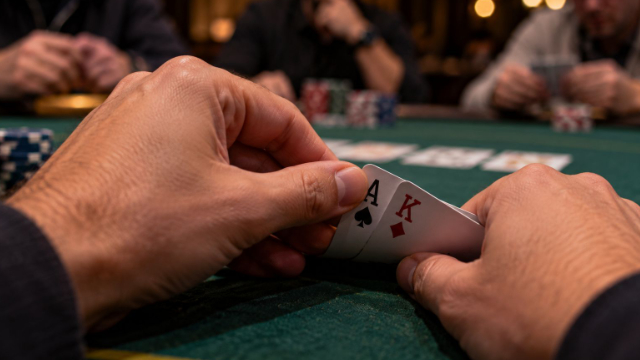
Why do poker players look at their cards twice? Learn how suits, memory and live poker routines make that second look useful at the table.
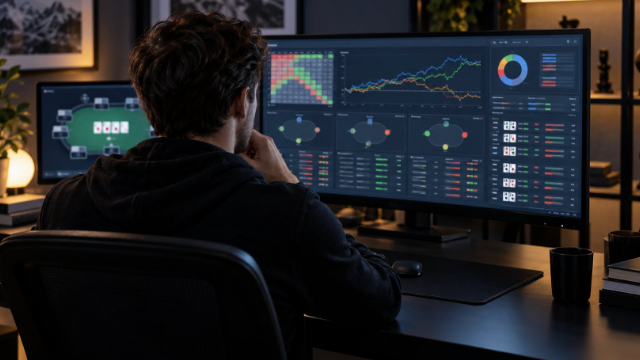
Learn how to use PokerCraft on GGPoker properly: review hands, spot patterns, analyse positions and turn your own data into better decisions.
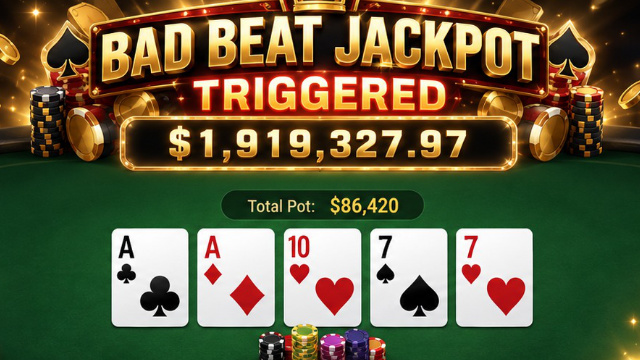
Learn how the GGPoker Bad Beat Jackpot works, which hands qualify, how payouts are split between the table and what rules trigger the prize.
Is Omaha really harder than Texas Hold’em? In many ways, yes. Here’s why Omaha feels more volatile, less forgiving, and more complex than Hold’em.